Dropshipping lets you sell products online without holding any stock. When a customer places an order, your supplier ships directly to them. You keep the margin between what you charged and what the supplier billed you. In South Africa in 2026, Spocket is the most practical platform to do this — it connects your Shopify or WooCommerce store to vetted suppliers in the US and EU, handles order routing automatically, and has a free trial with no credit card required.
Bottom line: Spocket is the best dropshipping supplier platform for SA entrepreneurs in 2026. Start with the free trial, then use code SPOCKET25 for 25% off your first 3 paid months. Start your Spocket free trial →
What Is Dropshipping and Does It Work in South Africa?
Dropshipping is a retail model where you list products in your online store without buying them upfront. When someone buys from you, you place the order with your supplier at the wholesale price, and the supplier ships directly to your customer. You never touch the product.
It works in South Africa with one key consideration: shipping time. Most Spocket suppliers are based in the US and EU, which means delivery to SA customers takes 10 to 21 business days depending on the supplier. This is manageable if you:
- Set clear shipping expectations on your product pages
- Target niches where customers accept longer delivery (e.g. speciality products, gifts, hobby items)
- Use suppliers who offer tracked shipping to SA
SA entrepreneurs who succeed with dropshipping typically pick a specific niche rather than competing on price across broad categories. Broad categories like phone cases or generic clothing are saturated globally. Niches like pet accessories, hobby tools, or speciality kitchen equipment see less competition and higher margins.

Why Spocket Over Other Dropshipping Platforms?
The most widely-known dropshipping platform is AliExpress (via DSers or Oberlo). Spocket takes a different approach: it screens its suppliers and focuses on US and EU products. For South African sellers, this has practical implications:
| Platform | Supplier location | Shipping to SA | Product quality control | Branded invoicing |
|---|---|---|---|---|
| Spocket | US / EU | 10–21 business days | Screened suppliers | Yes (all plans) |
| AliExpress / DSers | Mostly China | 15–45 business days | Unscreened | No (Chinese packing slips) |
| Printful | US / EU / AU | 14–21 business days | Print-on-demand only | Yes |
The branded invoicing is worth noting. When your customer receives their package, the invoice inside shows your store name and logo, not Spocket's or the supplier's. This protects your brand and prevents customers from going directly to the supplier.
Step 1: Set Up Your Online Store
Spocket integrates with Shopify and WooCommerce. Choose one:
Option A: Shopify
Shopify is the faster option to launch. The Spocket app installs directly from the Shopify App Store. Shopify handles hosting, checkout, and mobile responsiveness out of the box. Monthly cost starts at approximately R700–R900/month depending on the exchange rate (billed in USD).
For SA payment processing, add PayFast or Peach Payments to your Shopify store. Both accept SA credit cards, debit cards and EFT, and pay out in ZAR.
Option B: WooCommerce (WordPress)
WooCommerce is open-source and runs on WordPress. Monthly hosting cost through a provider like Cloudways or ChemiCloud runs R200–R600/month — lower than Shopify. Setup takes longer but gives more control over design and checkout flow. The Spocket WooCommerce plugin connects the same as the Shopify integration.
Step 2: Sign Up for Spocket
Go to Spocket and create a free account. The free plan lets you browse the catalogue and save up to 25 products without paying anything. This is useful for validating whether the products you want to sell are actually available through Spocket before committing to a paid plan.
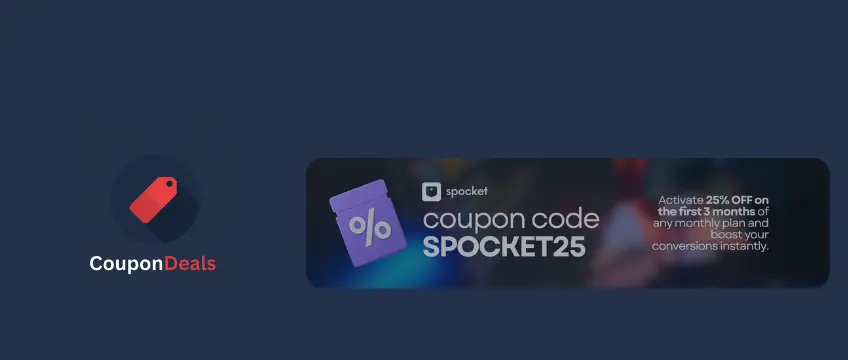
When you're ready to import products and start selling, upgrade to a paid plan. Use code SPOCKET25 at checkout for 25% off your first 3 months.
Spocket discount: 25% off your first 3 months with code SPOCKET25. Free trial available — no credit card required.
Start Spocket Free Trial →Step 3: Find Products That Sell in South Africa
Not every Spocket product is suitable for the SA market. Here's how to filter effectively:
Filter by “Ships to South Africa”
In the Spocket catalogue, use the destination filter. Not all suppliers ship to SA, so this step removes products that would fail at fulfillment.
Check the processing and shipping time
Each product listing shows estimated processing time (how long the supplier takes to dispatch) and shipping time. For SA, look for suppliers whose combined processing + shipping time is under 21 business days. Anything over 30 days creates customer service problems.
Check the supplier's order success rate
Spocket shows each supplier's fulfillment rate and customer review score. Filter for suppliers with 4.5 stars or above and an order success rate above 95%.
Validate demand before importing
Before importing a product, search for it on Takealot, Bidorbuy or Google Shopping SA. If similar products are already selling in SA with reviews, there's proven local demand. If there's nothing similar in the SA market, you may have found a gap — or there may be no local demand at all. Research before importing.
Step 4: Price Your Products for the SA Market
Spocket displays supplier prices in USD. You need to convert to ZAR and add your margin. A practical pricing formula:
| Cost element | Example (USD) | Example (ZAR at R18.50/$) |
|---|---|---|
| Supplier product price | $12.00 | R222 |
| Shipping to SA | $8.00 | R148 |
| Payment gateway fee (~3%) | — | ~R22 |
| Platform fees (Shopify/WooCommerce) | — | ~R30 (amortised) |
| Total cost | R422 | |
| Selling price (2.5x markup) | R1 055 | |
| Gross profit | R633 (60% margin) |
A 2x to 3x markup on total landed cost (product + shipping) is a starting point for most niches. In higher-end or speciality niches, 4x to 5x is achievable. Research what competitors charge for similar products in SA before setting your price.
Always include shipping in the product price and offer “free shipping” to customers. SA buyers are more likely to complete a purchase with free shipping than pay a separate shipping fee, even if the total cost is the same.
Step 5: Drive Traffic to Your SA Dropshipping Store
A store with no visitors generates no sales. The three channels that work reliably for SA-based dropshipping stores:
1. Facebook and Instagram ads (Meta Ads)
Meta Ads lets you target South African users by province, interest and behaviour. Start with R200–R500 per day on a product testing campaign. Run 3 to 5 products simultaneously, kill what doesn't convert within 5 days, and scale what does. Most SA dropshippers start here because the cost per click is lower than Google Ads for physical products.
2. Google Shopping (free listings)
Submit your product feed to Google Merchant Center. Google lists your products in Google Shopping for free. Paid Shopping ads amplify reach, but free listings drive meaningful traffic once your store has some SEO history.
3. TikTok organic content
Short unboxing videos and product demos on TikTok drive significant traffic to SA dropshipping stores at zero ad spend. Record yourself demonstrating the product (or use supplier product videos with permission) and include a link to your store. TikTok's SA user base is large and engaged with product content.
Step 6: Handle SA-Specific Logistics
Customs and duties
Orders shipped to SA from international suppliers are subject to customs clearance. The South African Revenue Service (SARS) exempts parcels with a customs value under R500 from import VAT and duties. For orders above R500, the customer may be charged import duty and VAT before delivery.
Practically: if your average order value is under R500 (customs value, not sale price), most orders pass through without duty. Above that, build this into your customer communications. Transparency prevents refund requests and chargebacks.
Returns
Spocket's return policy depends on individual suppliers. Check each supplier's return terms before importing their products. For SA customers, returning a product internationally is impractical, so most SA dropshippers handle returns with a partial refund or store credit rather than a physical return. Set this expectation clearly in your store's terms.
Business registration
You can start testing as a sole proprietor. Once you have consistent monthly revenue, register a private company (Pty Ltd) with CIPC online for R125. Most SA payment gateways (PayFast, Peach Payments) process for both sole proprietors and registered companies, but a registered business opens access to better payment terms and business banking.
Spocket Pricing for South African Entrepreneurs
| Plan | Price (USD/month) | Price (ZAR approx.) | Products | Best for |
|---|---|---|---|---|
| Free | $0 | R0 | 25 products (browse only) | Testing the catalogue |
| Starter | $39.99 | ~R740 | 25 unique products | New stores, single niche |
| Pro | $59.99 | ~R1 110 | 250 unique products | Growing stores, multiple niches |
| Empire | $99.99 | ~R1 850 | 10,000 products | Scaling stores |
With code SPOCKET25, the Starter plan costs ~R555/month for the first 3 months. Start on Starter, validate your niche, then upgrade once you have consistent sales. Get the SPOCKET25 deal →
Spocket for SA — Pros
- Screened US/EU suppliers with tracked shipping
- Branded invoicing protects your store identity
- One-click product import to Shopify and WooCommerce
- Free trial with no credit card required
- 25% off for 3 months with code SPOCKET25
- Ships to South Africa (filter available in catalogue)
Spocket for SA — Cons
- Shipping to SA takes 10–21 business days
- Prices in USD — ZAR conversion required for pricing
- Fewer suppliers than AliExpress
- Customs duties may apply on orders over R500
Dropshipping in South Africa — FAQ
Is dropshipping legal in South Africa?
Yes. Dropshipping is fully legal in South Africa. You operate as a retailer. Register as a business with CIPC if trading commercially. Collect and remit VAT once your annual turnover exceeds R1 million.
Can South Africans use Spocket?
Yes. South Africans can sign up, connect a Shopify or WooCommerce store, and import products from Spocket suppliers. Payments process in USD via credit or debit card. Use code SPOCKET25 for 25% off the first 3 months on any paid plan.
How long does Spocket shipping take to South Africa?
US suppliers typically take 10 to 20 business days to deliver to SA. EU suppliers average 14 to 21 days. Filter the Spocket catalogue by “ships to South Africa” and review each supplier's stated shipping time before importing their products.
What is the best platform to pair with Spocket in South Africa?
Shopify is the fastest to set up. WooCommerce costs less per month if you already have hosting. Both integrate fully with Spocket. For SA payments, add PayFast or Peach Payments to either platform.
Do I need a business registration to dropship in South Africa?
Not immediately. Test as a sole proprietor first. Once you have consistent revenue, register a Pty Ltd with CIPC for R125. Most SA payment gateways accept both structures, but a registered company opens access to business banking and better payment terms.
What is the Spocket discount code for South Africa?
Use code SPOCKET25 for 25% off the first 3 billing months on any paid Spocket plan. New subscribers only. After 3 months, standard pricing applies. Claim the deal here.
Further reading: CIPC — Company Registration SA · SARS VAT for SA Businesses · PayFast — SA Payment Gateway