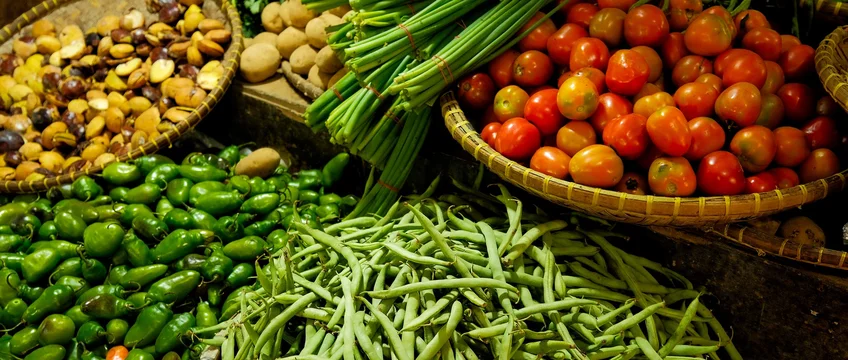
Healthy eating on a budget in South Africa comes down to building meals around cheap, filling staples such as beans, lentils, eggs, oats and seasonal vegetables, and spending your money where it delivers the most nutrition. This guide gives practical swaps, a simple shopping approach, real food-cost data for context, and an honest look at where natural and organic food stores fit into a tight budget.
Bottom line: Base meals on dried beans, lentils, eggs, oats, maize meal and seasonal vegetables, plan the week before you shop, and treat organic and specialty products as optional extras. This is general information, not medical advice.
What Food Costs in South Africa Right Now
The Pietermaritzburg Economic Justice and Dignity group (PMBEJD) put the average household food basket at R5,479.80 in August 2026, up R99.18 (1.8%) on August 2025, based on 44 basic foods tracked in supermarkets and butcheries across several cities, as reported by The Witness. You can read the underlying index on the PMBEJD website. When food takes that much of a household budget, the choice of staples matters more than any single product.
What South Africa's Dietary Guidelines Recommend
South Africa's food-based dietary guidelines, published by the national Department of Health, encourage eating plenty of vegetables and fruit every day, making starchy foods part of most meals, eating dry beans, split peas, lentils and soya regularly, and eating fish, chicken, lean meat or eggs as protein. They also advise using fats, salt and sugar sparingly and drinking enough clean, safe water. You can find the current guidance through the Department of Health, and the Association for Dietetics in South Africa lists registered dietitians. Notice that none of this depends on expensive or specialty ingredients.
Cheap, Nutritious Staples Worth Building Meals Around
| Staple | Why it works on a budget | Easy ways to use it |
|---|---|---|
| Dried beans, lentils, split peas | Cheap protein and fibre, and they keep well | Stews, soups, curries, mixed with rice or maize meal |
| Eggs | Affordable protein that cooks quickly | Omelettes, boiled eggs, egg-fried rice |
| Oats and maize meal | Filling, low-cost starches | Porridge, pap with a vegetable relish |
| Seasonal vegetables | Cheapest and freshest when in season | Cabbage, carrots, spinach and butternut are common budget choices |
| Frozen vegetables | Less waste and consistent price | Add to stews, stir-fries and soups |
| Canned fish | Shelf-stable protein | Fish cakes, sandwiches, salads |
Smart Swaps That Cut the Bill
- Swap some meat for beans or lentils. Stretching mince with lentils lowers cost per serving and adds fibre.
- Swap sugary drinks for water. It costs almost nothing and removes a steady source of added sugar.
- Swap packaged snacks for fruit, boiled eggs or plain popcorn. Ready-made snacks carry a large markup.
- Swap instant meals for batch cooking. Cooking a big pot and freezing portions saves money and time on busy days.
- Swap name brands for house brands on staples. Compare unit prices, since the difference on rice, oil and flour can be significant.
Our general guide on how to save money in South Africa covers the rest of the household budget, including how to track spending and set a realistic target.
A Simple Weekly Shopping Approach
- Check what you already have in the cupboard and freezer.
- Plan five or six dinners around a few staples, and plan leftovers for lunch.
- Write a list and buy only what is on it.
- Buy vegetables that are in season and in good condition, and use the soft ones first.
- Cook in batches and freeze extra portions.
Where Natural and Organic Stores Fit
Natural and organic products generally cost more than conventional equivalents, and you do not need them to eat well. They can still be useful for specific items you already buy, such as pantry staples, produce boxes or skincare. Faithful to Nature stocks natural, organic and eco-friendly products, and you can check the current Faithful to Nature discount code before ordering. Farm Fresh NGR delivers fresh farm produce and organic food, so see its current deals if you want seasonal vegetables delivered.
If you are thinking about supplements, read our guide to gut health supplements in South Africa first, and compare the price against what a whole-food change could do for the same money. For labels and claims on natural products, see how to tell what is really natural.
Order natural and organic staples for less: check the current Faithful to Nature discount code before you buy.
See the Faithful to Nature Code →Medical note: this article gives general food and budget information. If you have a health condition, allergies or specific dietary needs, speak to a doctor or a registered dietitian before changing what you eat.
Healthy Eating on a Budget — FAQ
What is the cheapest healthy food in South Africa?
Dried beans, lentils and split peas, eggs, oats, maize meal, seasonal vegetables, frozen vegetables and canned fish are all low-cost foods that fit South Africa's food-based dietary guidelines. Prices vary by store and season, so compare unit prices.
Is eating healthy expensive in South Africa?
It does not have to be. The average household food basket tracked by PMBEJD was R5,479.80 in August 2026, but a diet built on affordable staples and seasonal vegetables can cost less than one built on packaged and processed foods.
Do I need organic food to eat healthily?
No. South Africa's dietary guidelines focus on eating plenty of vegetables and fruit, starchy foods, legumes, and moderate amounts of animal protein while limiting fat, salt and sugar. Organic products can be an optional extra if your budget allows.
How can I meal plan on a tight budget?
Check what you already have, plan five or six dinners around a few cheap staples, write a list, and cook in batches so leftovers cover lunches. Freezing portions reduces waste and saves money.
Further reading: PMBEJD — Household Affordability Index · Department of Health — South Africa · Association for Dietetics in South Africa